
The Rise of Games That Explore Identity

In recent years, there has been a noticeable shift in the world of gaming. Developers are creating games that delve into the intricate and complex concept of identity. These games not only entertain players with immersive gameplay and stunning visuals, but also challenge them to think critically about themselves and society as a whole.
One of the key reasons behind this rise in identity-focused games is the increasing demand for diverse representation in the gaming industry. Players are craving experiences that reflect the diversity of the world around them, and developers are taking notice. Games like “Life is Strange” and “Gone Home” have gained widespread acclaim for their thoughtful exploration of identity, gender, and sexuality.
These games offer players the opportunity to step into the shoes of characters with different backgrounds and experiences than their own. By doing so, players are able to gain a deeper understanding of the struggles and triumphs that come with navigating the complexities of identity. This not only fosters empathy and compassion, but also encourages players to question their own beliefs and biases.
Another reason for the rise of identity-focused games is the increasing recognition of the power of storytelling in gaming. Developers are realizing that by crafting narratives that center on themes of identity, they can create experiences that resonate with players on a personal level. Games like “Hellblade: Senua’s Sacrifice” and “What Remains of Edith Finch” have captivated players with their emotional storytelling and meaningful exploration of identity.
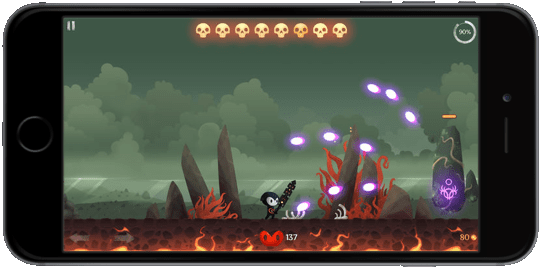
By weaving together gameplay and narrative, these games immerse players in a world where they are forced to confront their own sense of self and identity. This can lead to powerful moments of introspection and self-discovery, as players grapple with the same existential questions that the characters in the server vps game face.
Furthermore, the rise of indie game development has played a significant role in the proliferation of identity-focused games. Independent developers are unencumbered by the constraints of mainstream gaming and are free to explore themes and ideas that are often overlooked by larger studios. This has led to a wave of innovative and thought-provoking games that push boundaries and challenge traditional norms.
Games like “Night in the Woods” and “Celeste” have garnered critical acclaim for their deep exploration of identity and mental health. These games offer players a unique opportunity to engage with complex and nuanced characters, each struggling with their own sense of self and purpose. Through gameplay mechanics and narrative choices, players are able to connect on a profound level with these characters and their stories.

In addition to the creative and artistic merits of identity-focused games, there is also a growing demand for diversity and inclusivity in the gaming industry. Players are increasingly vocal about their desire to see themselves represented in the games they play, and developers are responding by creating experiences that cater to a broader range of identities and experiences.
Games like “The Last of Us Part II” and “Persona 5” have pushed boundaries by featuring LGBTQ+ characters in prominent roles and exploring themes of identity and acceptance. By including diverse representation in their games, developers are not only expanding their audience, but also sending a powerful message about the importance of inclusivity and representation in gaming.
As the gaming industry continues to evolve and grow, the rise of games that explore identity shows no signs of slowing down. Players are hungry for experiences that challenge them to think critically about themselves and the world around them, and developers are rising to the occasion by creating innovative and thought-provoking games that push boundaries and spark important conversations.
In conclusion, the rise of games that explore identity marks a significant shift in the gaming landscape. By centering themes of diversity, inclusivity, and personal identity, these games are leading the way towards a more thoughtful and introspective gaming experience. As players continue to demand diverse representation and complex storytelling in their games, developers will undoubtedly rise to the occasion, creating even more impactful and engaging experiences for players to enjoy.
The History of Rim of the World Rally

10 Essential Tips for Rally Beginners